• Lunch and Learn: Hannah Watson and Women Printers in Early America

    Virtual

    In this lunchtime talk, New England Regional Fellowship Consortium grantee, C.C. Borzilleri, addresses how the work of women printers could prove to be the critical component in keeping print businesses and newspapers alive in early America.

  • Short Attention Span Literary Club

    Connecticut Museum of Culture and History 1 Elizabeth Street, Hartford, CT, United States

    This month’s story is “The Door" by E.B. White.

  • Short Attention Span Literary Club

    Connecticut Museum of Culture and History 1 Elizabeth Street, Hartford, CT, United States

    This month’s story is “Passion" by Alice Munro.

    Free
  • Lunch and Learn: Remembering G. Fox & Co.

    Virtual

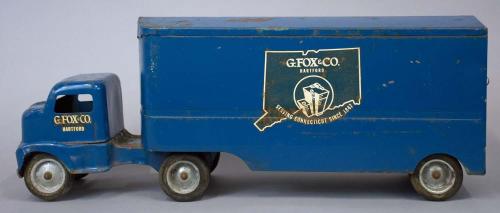
    Join us for a virtual overview of the history of the iconic department store, and the story of Beatrice Fox Auerbach, the pioneering businesswoman who led G. Fox & Co. through its golden age.

    Free
  • Lunch and Learn: Indigenous Unfreedom and Race Making in Early New England

    Virtual

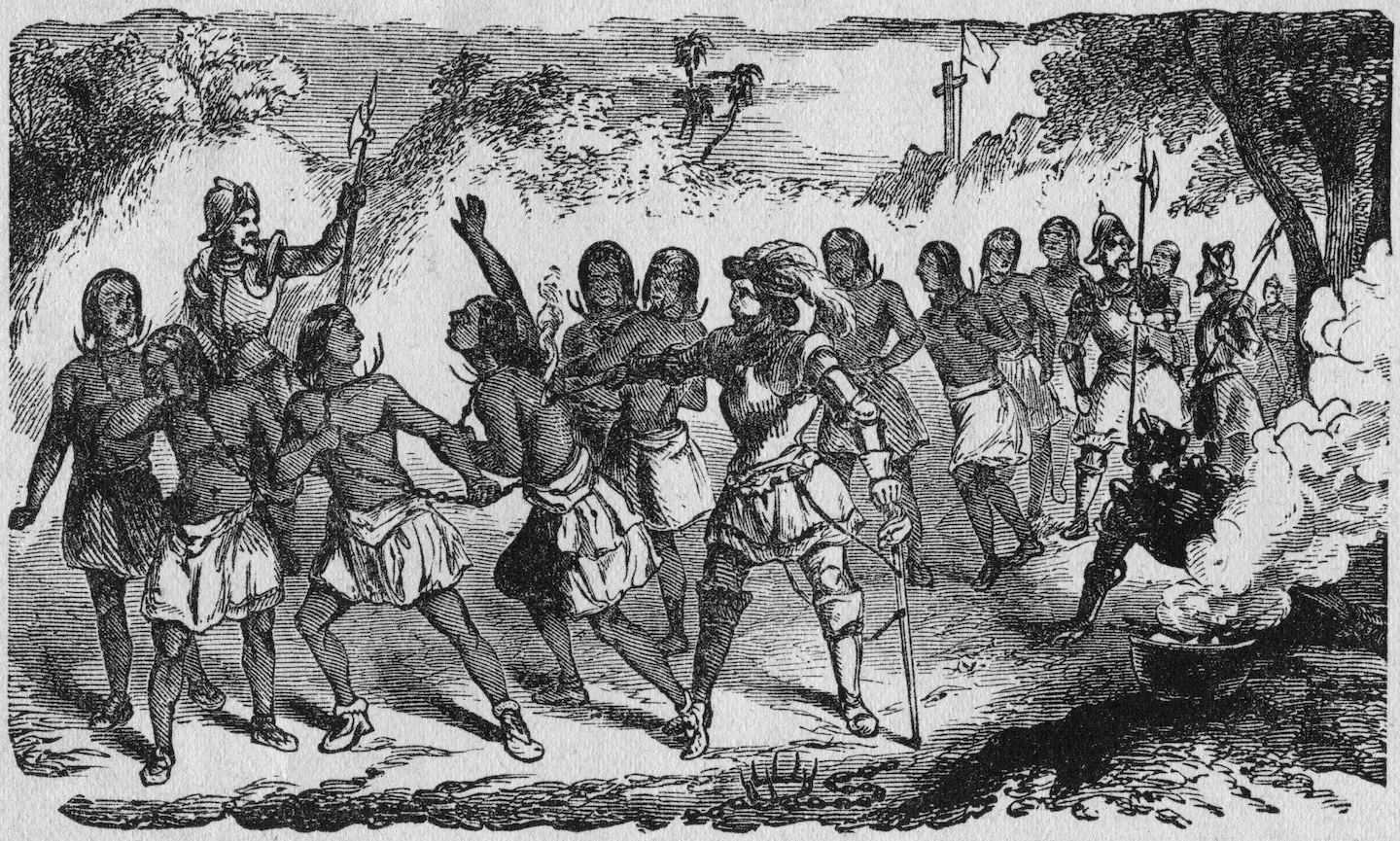
    This virtual presentation by Dr. Joanne Jahnke-Wegner, a New England Regional Fellowship Consortium grantee, will examine how English enslavement of Indigenous peoples during the Pequot and King Philip's Wars contributed to the racialization of Indigenous peoples in early New England.

    Free
  • Ann Petry: Life and Legacy

    Virtual

    Learn about one of Connecticut's most unique and powerful literary voices.

    Free
  • Lunch and Learn: Discover Connecticut’s Black Antebellum Communities

    Virtual

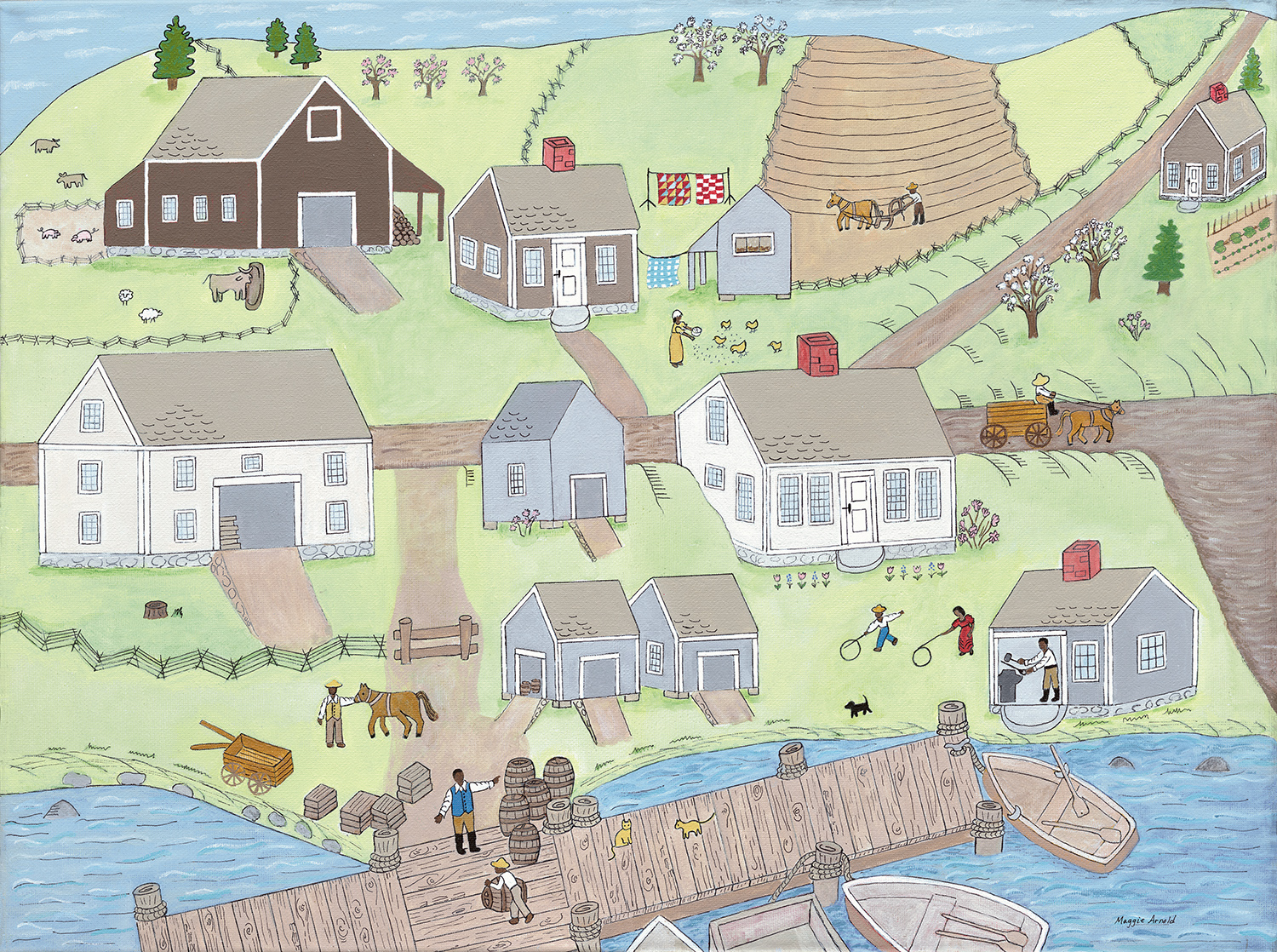
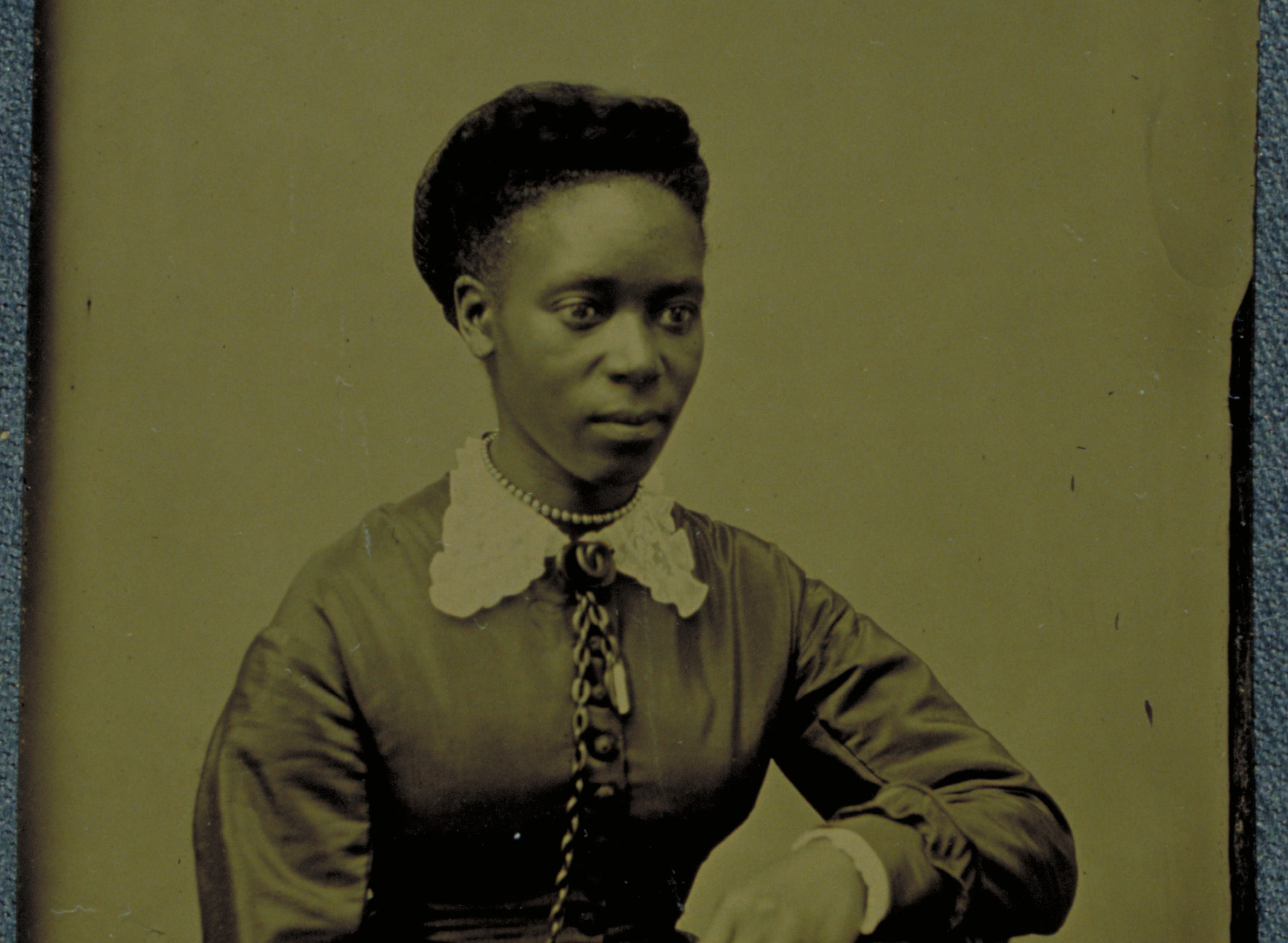
    Pre-Civil War Black communities provided free and enslaved people in Connecticut with spiritual, economic, social, and personal opportunities that people used to build rich, meaningful lives. Join us to learn about a recent project at the Connecticut Museum that aims to bring these lives into focus.

    Free
  • Lunch and Learn: Justices of the Peace and the American Revolution

    Virtual

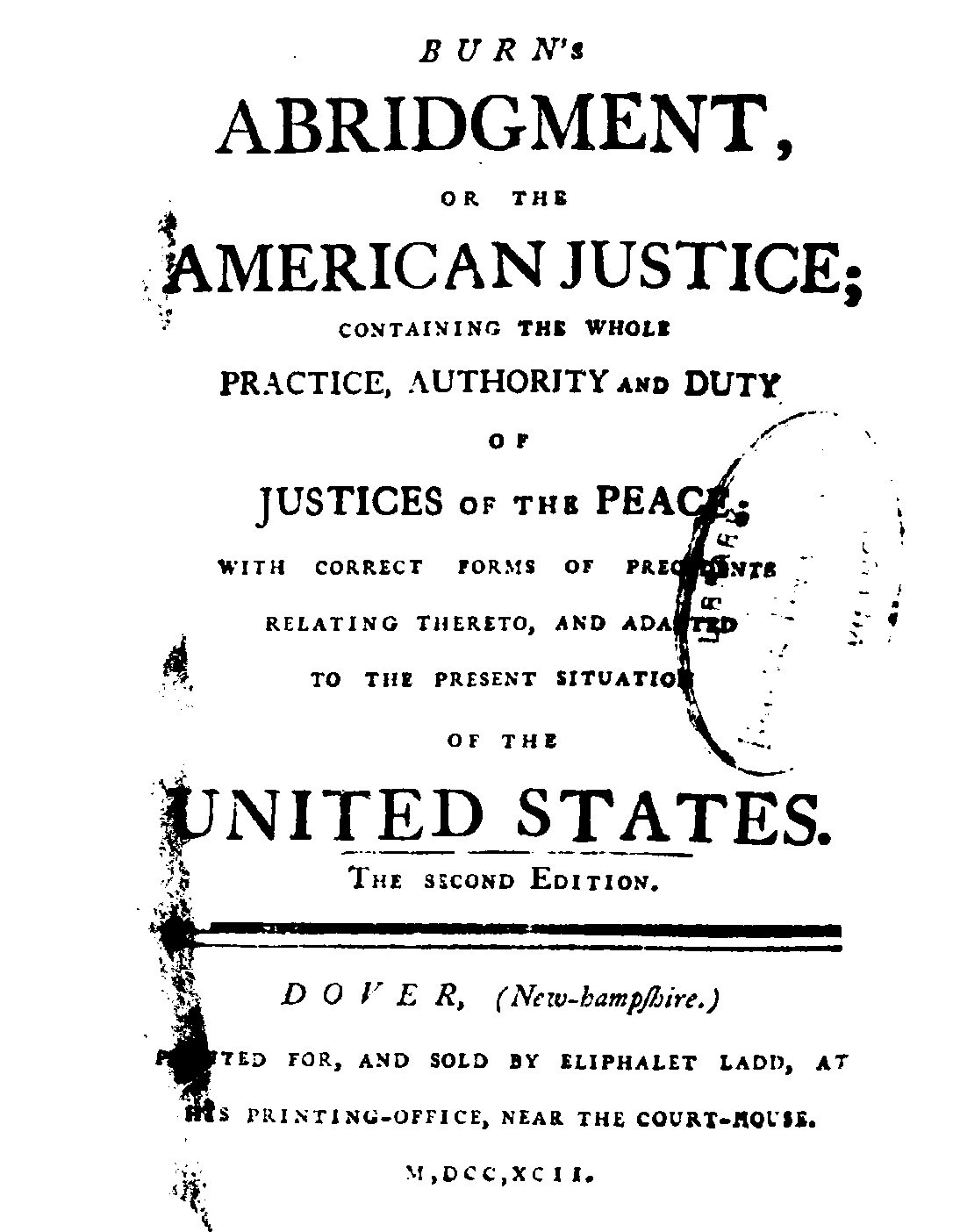
    This virtual presentation, by Hannah Farber, is part of a book project on civil litigation in the early American republic, will use surviving justices' dockets to show how different types of magistrates--farmers, ministers, urban merchants, and Patriot enforcers--handled the provision of justice to their neighbors amid Revolutionary disruption.

    Free